The model plane is divided into various categories and branches, appearing more options in a short time as technology progresses.
For better understanding, I will make a simple classification with brief explanations.
First off almost all disciplines can be practiced abroad (Outdoor) and indoors (Indoors) and in confined spaces such as parks or plazas (Park flyers) are limited only by the weight and speed models.
Also, depending on how flight can be classified into basic (coaches / trainers), sport (aerobatic flying with some simple figures) and acrobatics (more complex stunts.)
GLIDING.
aircraft consists of constructing a very refined, very well balanced, because the main objective is to fly as much time or longer distance without any human intervention whatsoever.
The flight can be with gliders, aircraft without engine-driven models powered by rubber bands or whether or electrical explosion.

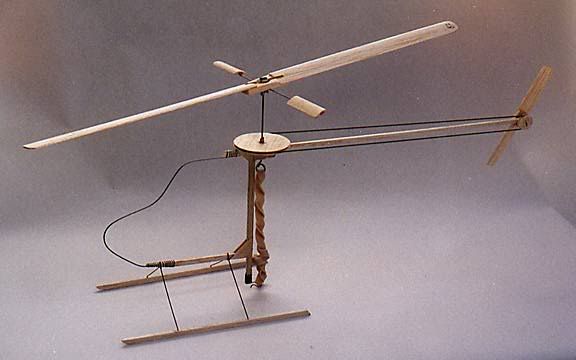
Normally this discipline not follow a specific design line trying to get the best brands and can find very special and there are buildings at exquisitely made.
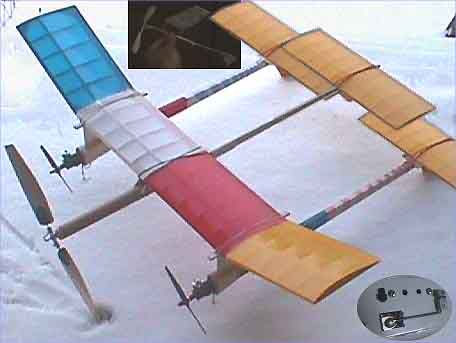
CONTROLLED FLIGHT
covers all models in which there is some kind of human control.
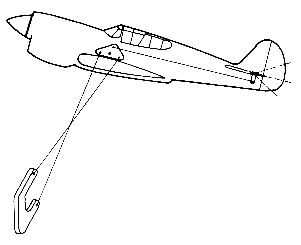
line control, U-CONTROL or circling: a cable is used which controls the ascent and descent of the model, while turning in a circle about 15 meters.
; 
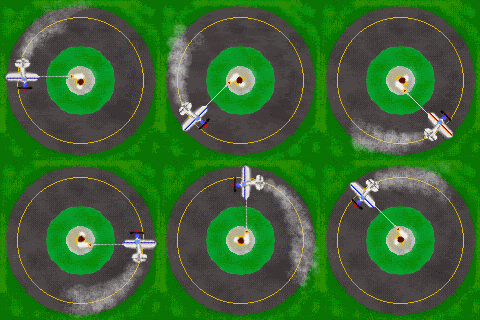
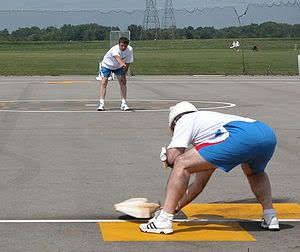
is the most basic form of control, but now they have created very fast models that can easily exceed 300 km / h.
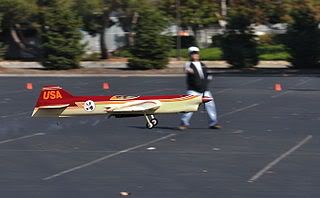
Within this same discipline practiced aerial combat in which two competitors flying in the same circle and must cut a strip of paper placed in the queue of the adversary.
Radio Control: Category very extensive uses radio frequency to act on the control surfaces of the model. Depending on the radio, you can achieve huge distances and maneuvering flight are limited only by the model's structure and capabilities of the pilot.
The main branches of this category are:
1 .- Charters and Gliders (Sailplanes): Majority have no motor, take advantage of rising air currents to keep as much time as possible in flight.
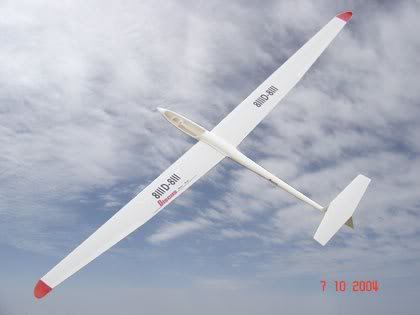
There are two ways to get these updrafts air. The first is looking for calls that are thermal hot air currents rising from the warming of the ground product by the sun. you need a large boat (long wing), a very low profile and weight efficient flight (heat).
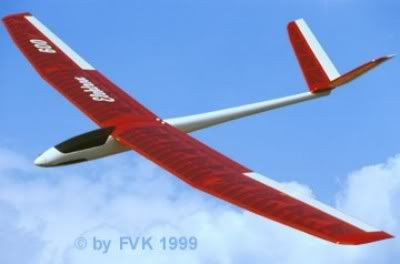
The second is to use the updraft to produce a slope of hill, dune or earth embankment opposite the wind. This type of flight is called De Ladera.
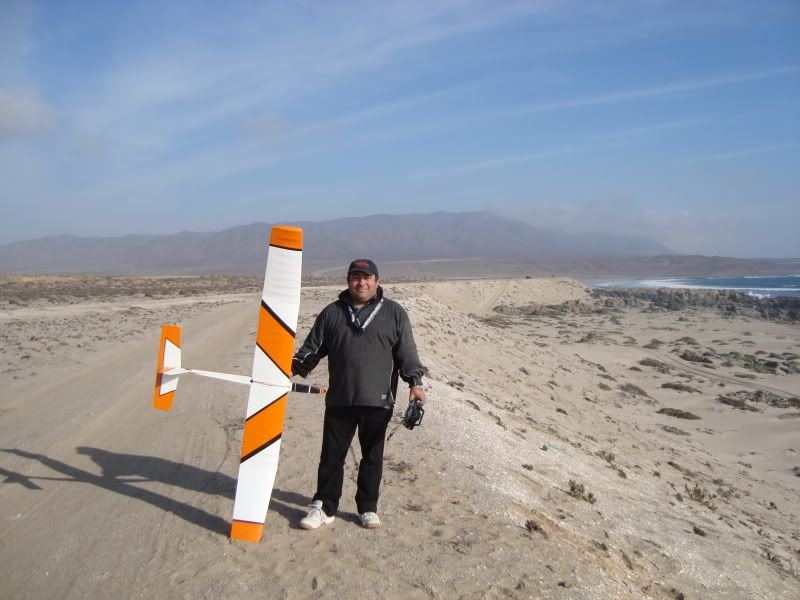
With the flight of slope and depending on the strength of the wind, can fly almost any model, one of the most widely practiced branch in a radio-controlled sailboats, i ven many drones flying normal if the current is strong enough.
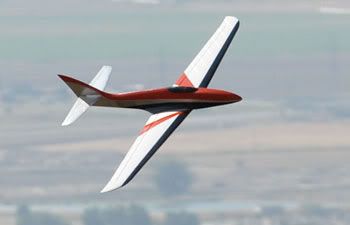
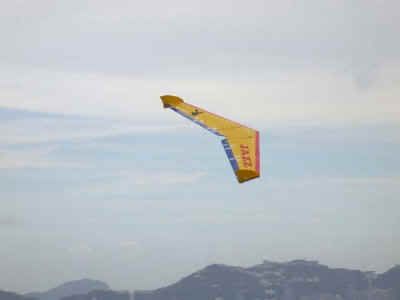
The engine is used in some boats just to get high or to get out of difficult situations are common. We use a very small torque motor to avoid excess weight on the device.
2 .- Models combustion engine Glow (nitro, gas) or electric (E): generally categorized according to the specialization of the pilot or modeller.
A. - Coaches (Trainers) basic aircraft 3 or 4 channels, high-wing usually pronounced dihedral (angle with the wings) that emphasize stability and low speed.
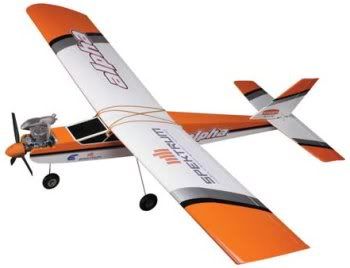
usually have the appearance of aircraft and are resistant to abuse (to some extent, obviously), easy to repair and docile flying qualities.
now with the advent of new materials and low cost of basic electronics, the trainers can come in many forms, but retain the basic configuration of high-wing 3-channel minimum.
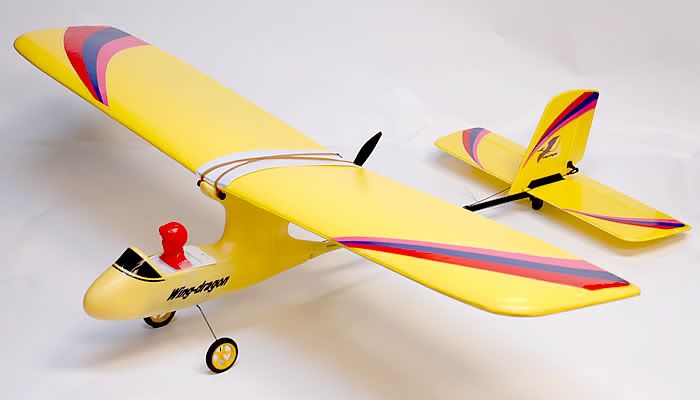
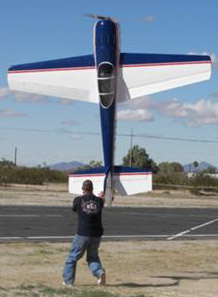
B. - Acrobatic (ACRO): Aircraft Wing are generally medium or low, have great agility and some are extremely fast. Previous experience is required flight trainers before attempting to fly one of them.
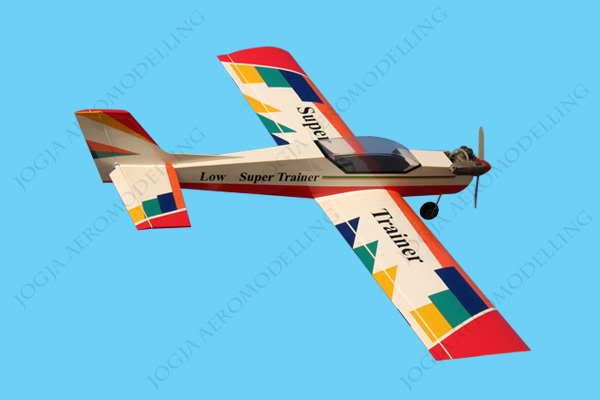
The acros are divided into 3 types namely Bi .-
Acrobatic Team: model that retains some characteristics of stable, high-wing trainer, but include major spoilers to basic aerobatic maneuvers. (Loops, rolls, inverted)

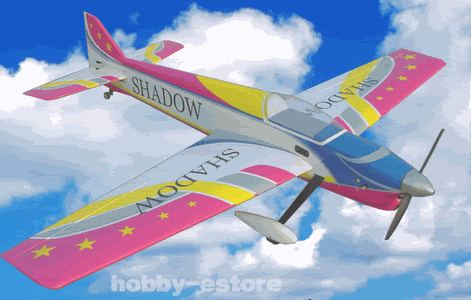
Bii .- Sport and Fun Fly Aerobatic : High power and performance than the previous one, requires good reflexes trained to do the full range of maneuvers to achieve, usually land at high speeds.
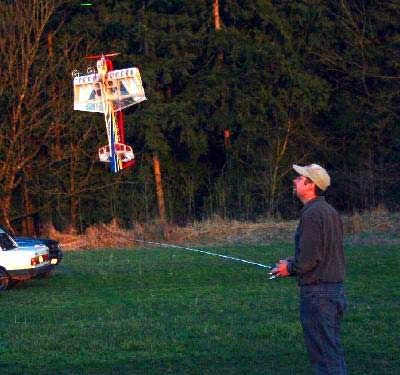
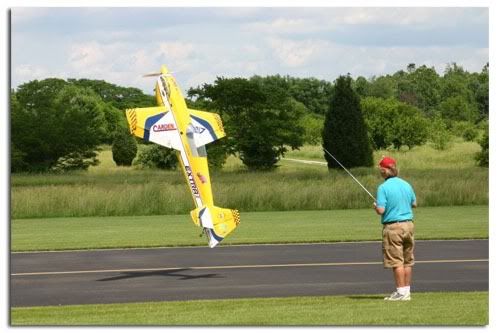
Biii .- Aerobatic 3D Planes truly versatile and generally large in size (although the 3D massifying are small), have an oversized motor for the weight and control surfaces extremely large. Are widely used in building special materials such as fiberglass, carbon, polystyrene and aircraft aluminum. Require a lot of flying experience and guidance to not destroy it in seconds.
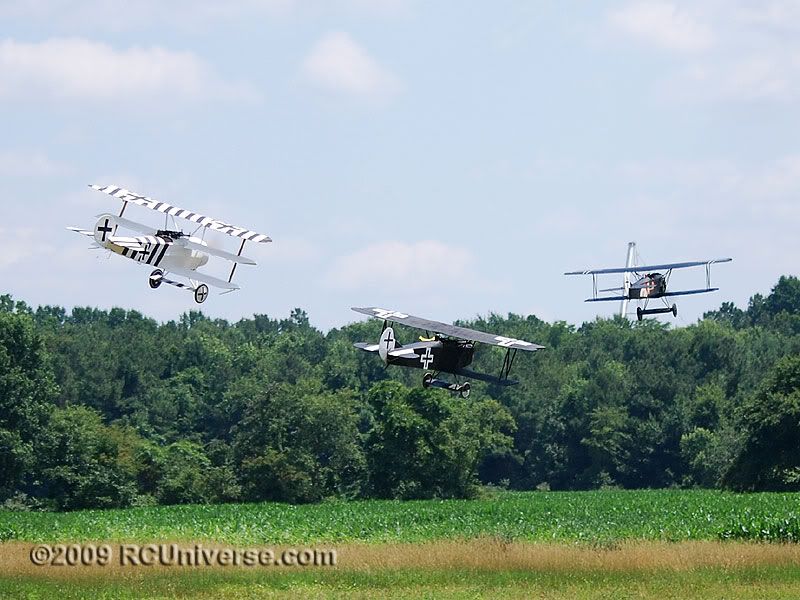
C. - Scale: built aircraft represent a real model with as much detail as possible . The details may include retractable landing gear, lights, tools, drivers, sounds, engines wide, weapons, wear whatever the model you want and can accomplish.
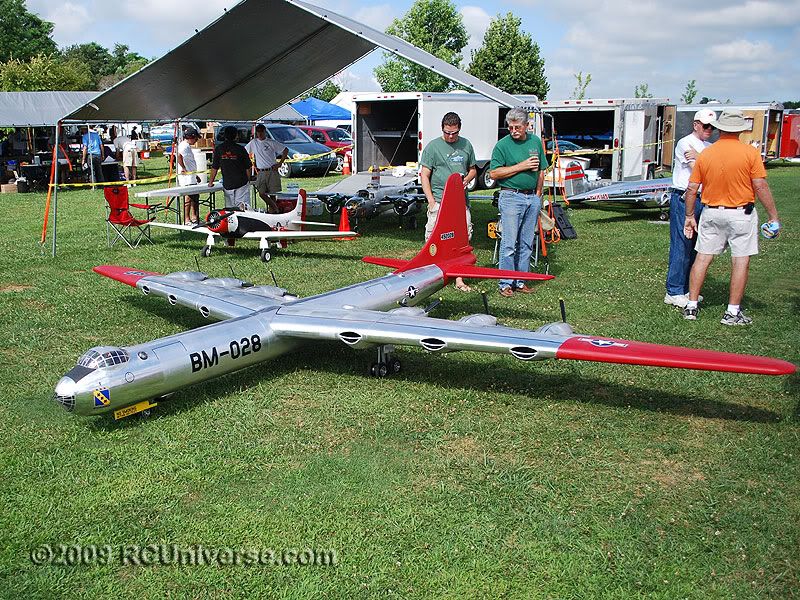
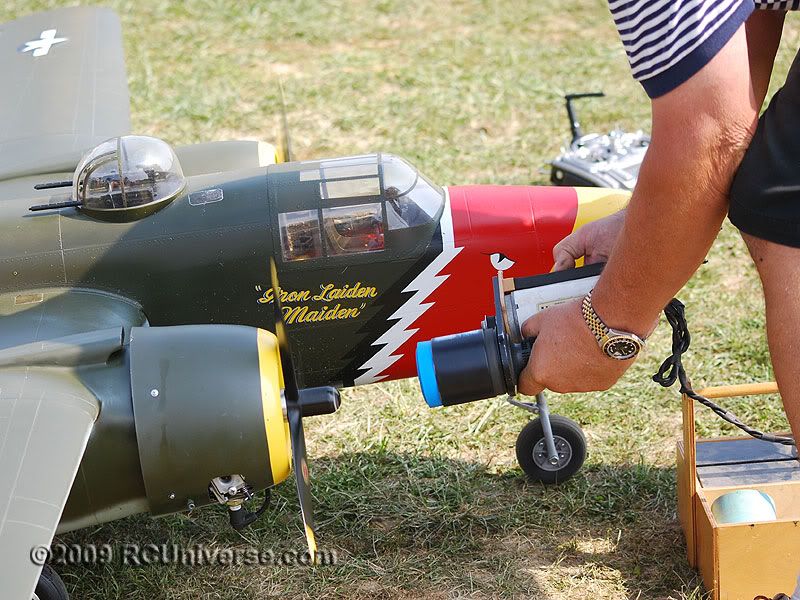
usually get the quality shown by these devices requires many years of practice in construction and use of materials, plus a comprehensive workshop.
The flight it must also be more like the real model for the effect is complete, not allowing the real aircraft maneuvers that could not be done.
D. - Helicopters: One of the most cost devices developed in the model airplane. They are divided into
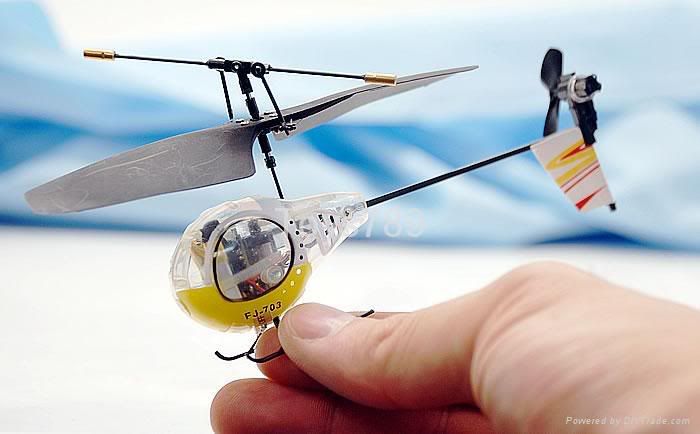
Di) .- Coaxial: are by usually of small size and low price. Are characterized by two helices contrarotatorias in its main rotor. Are very stable and can be made cheaply on the issue of hovering. Usually the flight is limited to indoor or windless days. Not have any acrobatic ability.
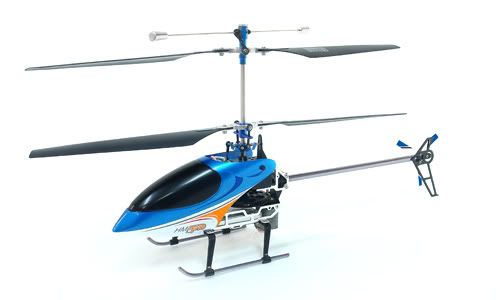
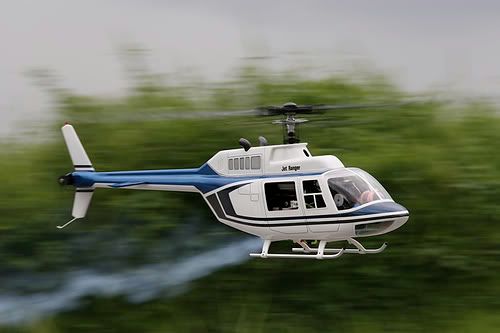
Dii) .- of swashplate, tail rotor pitch (CCPM) helicopters are par excellence, with the flight characteristics of real and more.

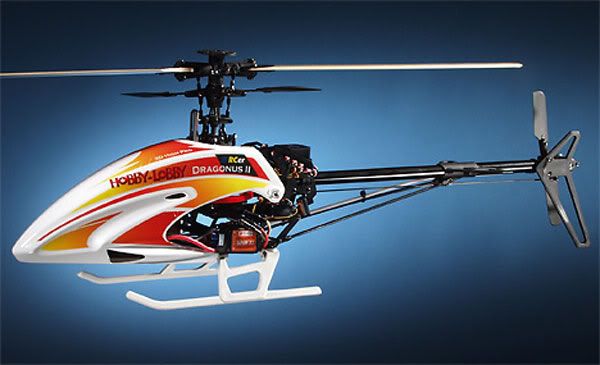
Your flight is caused by the oscillation of a plate that controls the various actuators for the flight direction, moving the main rotor disk as the maneuver to perform and can vary the angle of the blades to perform all stunts. Depending on its size and weight can fly in light wind conditions to moderate and larger in almost every time.
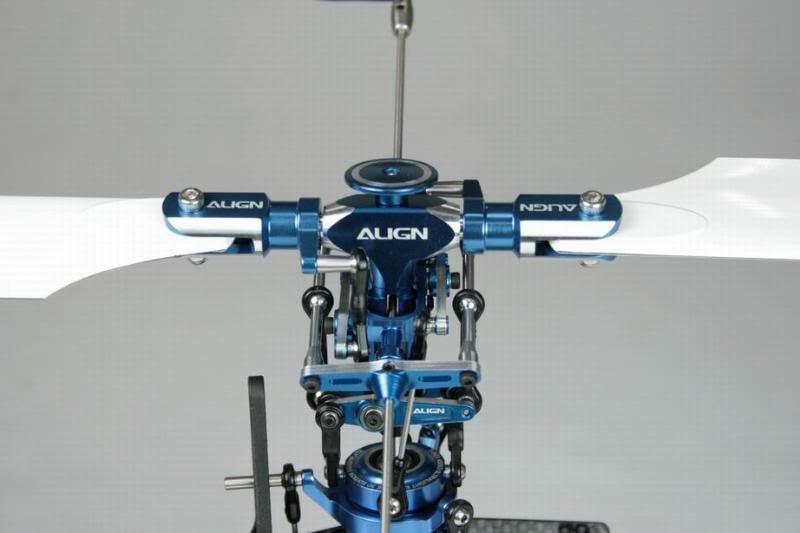
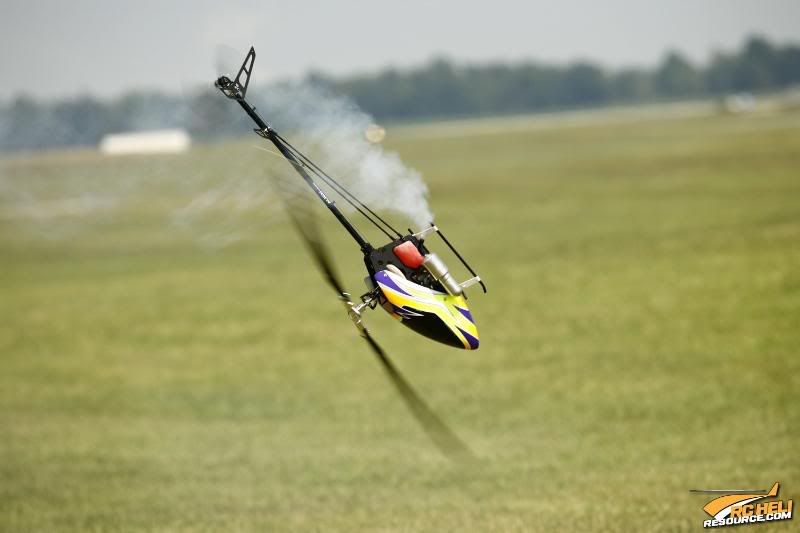
The ability to vary the blade angle, give the highest quality CCPM helicopters, the possibility of maneuvering impossible for other types of devices flying.
Like planes, they are divided according to the form of flight trainers, sport, aerobatic, 3D and scale. The difference is that with the same helicopter (if high-end), you can practice all specialties.
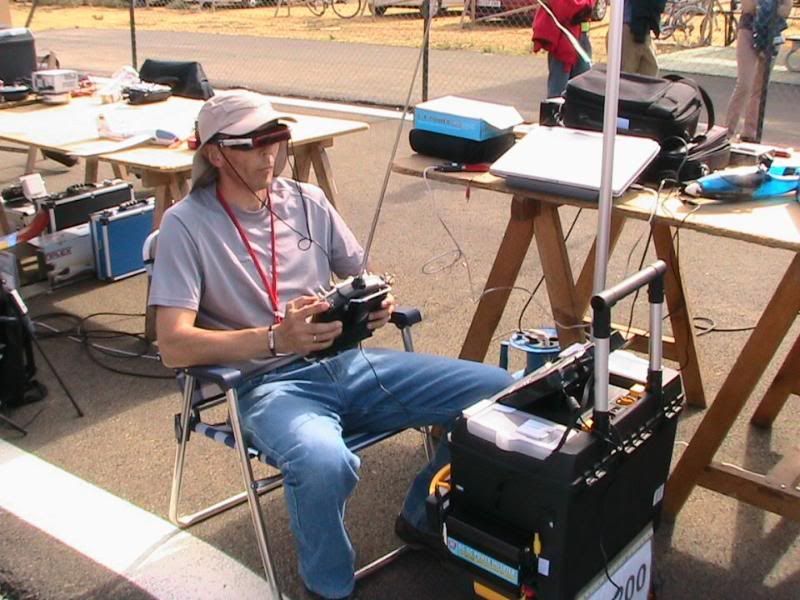
E. - FPV Video in first person or immersive virtual flight: A new branch that is making a lot of followers quickly and is cheap to film in real time. The pilot wears a special glasses that receives signals from a camera mounted on board the model and the pilot has the feeling of being he who crew the plane.
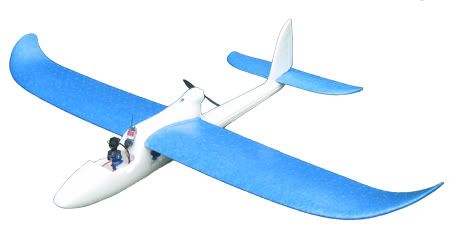
The aircraft used is more or Easyglider Easystar, which is made of high density expanded polystyrene and has very stable flight characteristics.
The cost of all equipment is still too high for most of model airplane enthusiasts, but is falling rapidly.
F. - micromodels: micromodels The branch is one of the most varied and extensive, being limited only by the advancement of electronics and the possibilities of the manufacturer or builder.
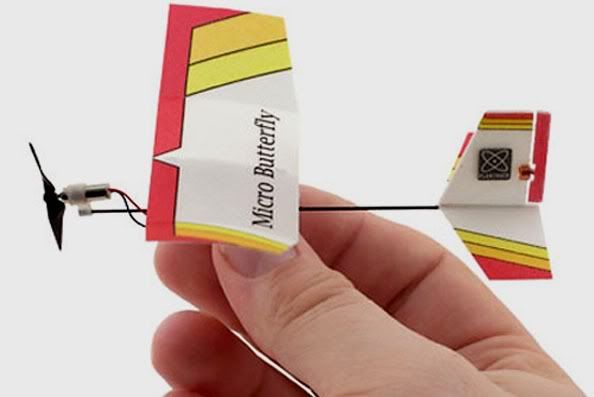
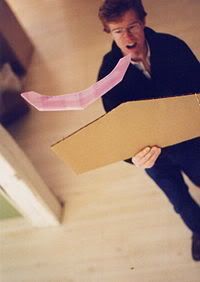
G. - Other: Each short time there are new branches of model airplanes, is currently one of the newest kind of indoor slope gliders (although it sounds strange), called Walkalong glider. These new inventions take advantage of the updraft to fly the person to believe in walking or a moving inclined surface.
The Aeromodelismo new surprises will continue as the technology continues to advance. What now is normal, it was unthinkable 20 years ago and there are more and more popular product of lower prices and ease of learning with all available information.


0 comments:
Post a Comment